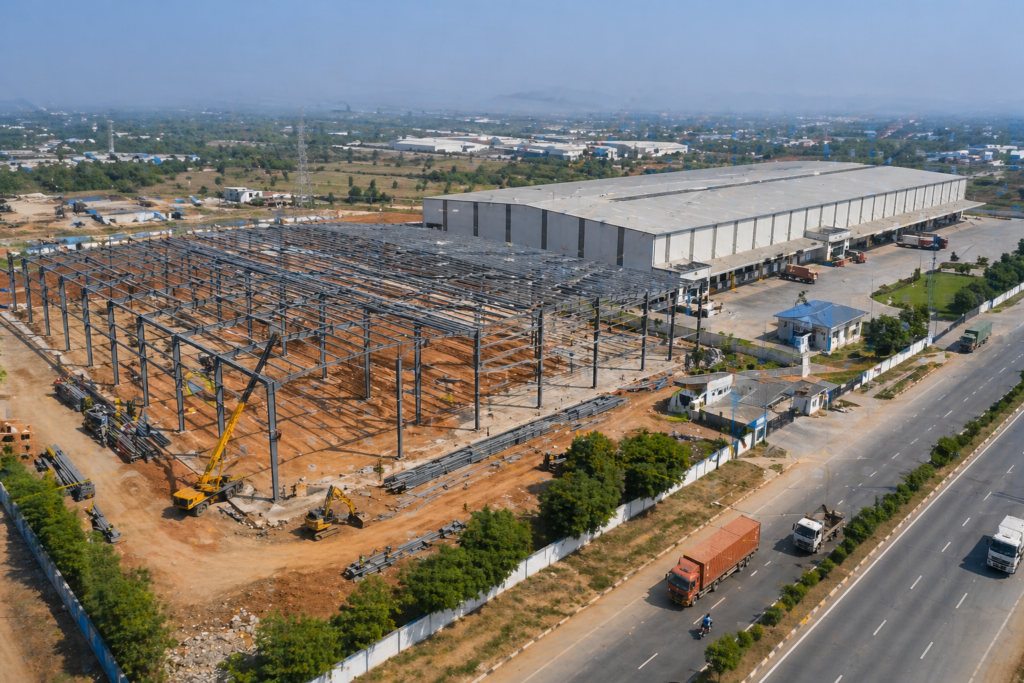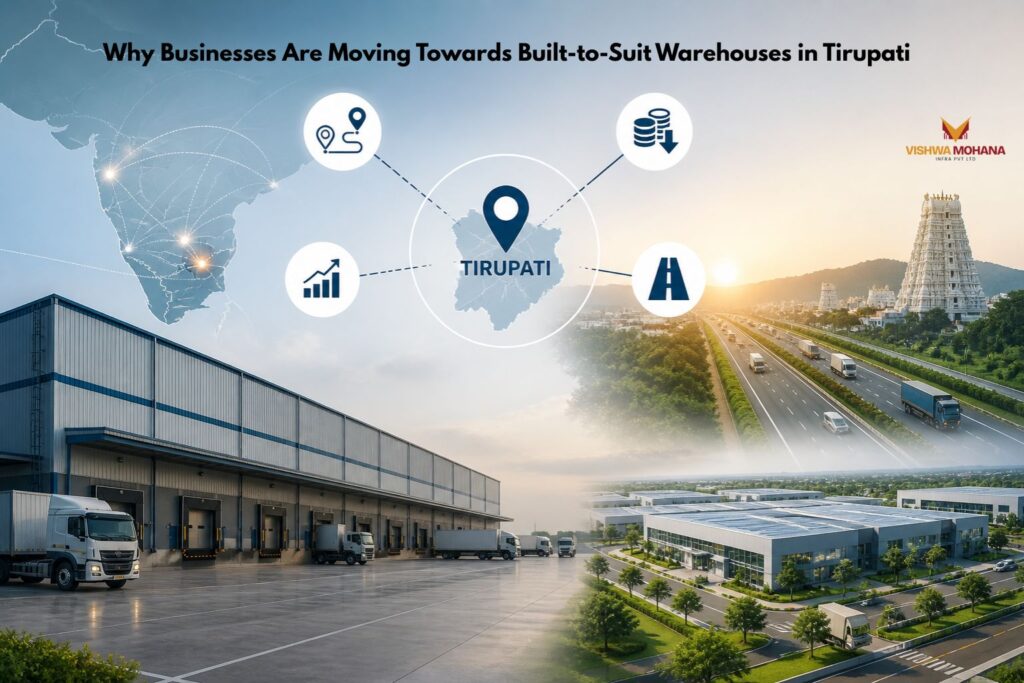
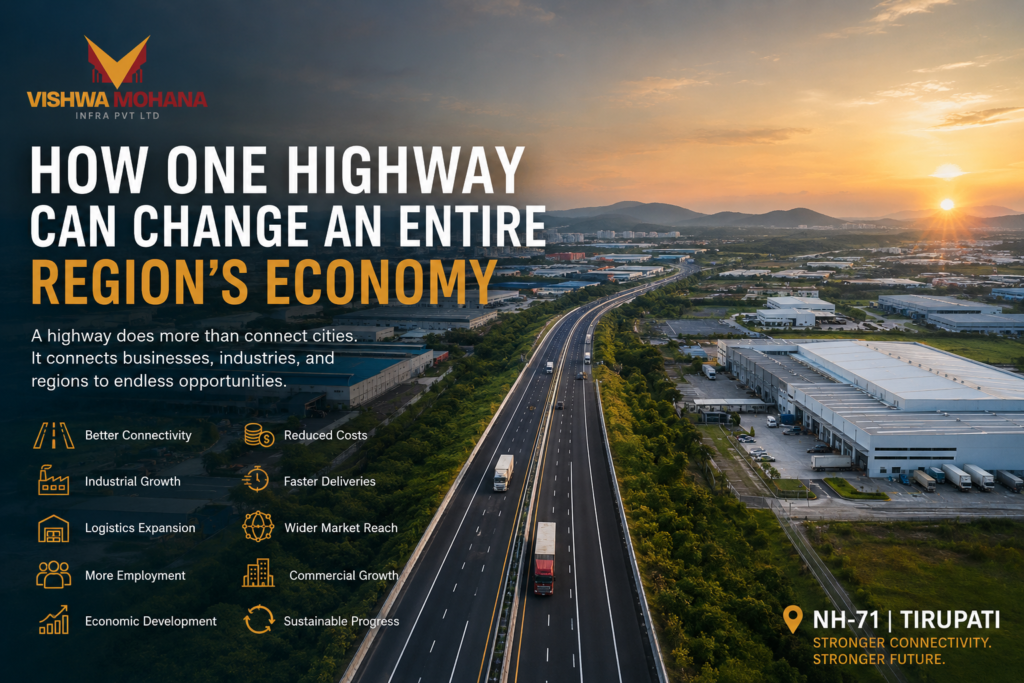
Economic growth through highways has transformed some of the world’s fastest-growing industrial and logistics corridors. Economic growth through highways occurs when improved connectivity attracts businesses, investments, industries and infrastructure development to a region.
While many people view highways simply as transportation routes, businesses often see them as economic enablers that create opportunities for growth, trade and long-term development.
Why Highways Matter Beyond Transportation
A highway does much more than connect cities.
It connects:
- Businesses to markets
- Industries to supply chains
- Manufacturers to suppliers
- Logistics providers to customers
When transportation becomes more efficient, businesses can operate faster and more cost-effectively.
This is why highway connectivity often becomes one of the first catalysts for regional economic transformation.
How Economic Growth Through Highways Begins
The process usually starts with improved accessibility.
A new highway can reduce travel times, lower transportation costs and improve movement efficiency.
This creates benefits for:
- Manufacturing companies
- Logistics operators
- Warehousing businesses
- Commercial developers
- Industrial investors
As connectivity improves, businesses begin exploring opportunities in previously overlooked locations.
Highways Attract Industrial Development
Industrial growth is heavily influenced by transportation infrastructure.
Before investing in a location, companies evaluate:
- Road connectivity
- Logistics efficiency
- Transportation costs
- Market accessibility
Regions located near major highways often become attractive destinations for:
- Manufacturing facilities
- Industrial parks
- Warehousing projects
- Distribution centers
The result is increased industrial activity and stronger economic growth.
Logistics Infrastructure Grows Along Highway Corridors
Modern supply chains depend on efficient transportation networks.
When a highway improves regional connectivity, demand often increases for:
- Warehouses
- Distribution centers
- Logistics parks
- Freight handling facilities
Businesses need infrastructure that allows goods to move quickly and efficiently.
This is one reason why logistics development frequently follows highway expansion.
Job Creation and Economic Activity
One of the biggest advantages of economic growth through highways is employment generation.
As industries and logistics operations expand, new opportunities emerge for:
- Skilled workers
- Technical staff
- Logistics professionals
- Support services
Growing business activity also supports retail, hospitality and commercial sectors.
Over time, this creates a positive economic cycle that benefits the entire region.
Commercial Development Follows Industrial Growth
When businesses establish operations in a region, commercial demand increases.
This often leads to growth in:
- Office spaces
- Retail centers
- Service businesses
- Commercial real estate
Highway-connected regions frequently experience commercial expansion alongside industrial growth.
Infrastructure Attracts More Investment
One of the most interesting effects of highway development is that infrastructure often attracts additional infrastructure.
A highway may initially improve transportation.
Over time, it can encourage:
- Industrial parks
- Warehousing facilities
- Manufacturing investments
- Logistics hubs
- Commercial developments
This creates long-term opportunities for businesses and investors.
Why Businesses Prefer Highway-Connected Locations
Businesses constantly seek operational efficiency.
Highway-connected locations provide:
Reduced Logistics Costs
Better transportation routes help reduce fuel and operational expenses.
Faster Deliveries
Efficient road networks improve delivery timelines.
Improved Supply Chain Performance
Connectivity strengthens inventory movement and logistics planning.
Greater Expansion Potential
Many highway corridors offer scalable land and infrastructure opportunities.
Economic Growth Through Highways in South India
Across South India, highway corridors continue to support industrial and logistics expansion.
Improved connectivity has helped businesses access larger markets while supporting manufacturing and warehousing growth.
Regions connected through major transportation networks often experience:
- Increased investment
- Better logistics infrastructure
- Industrial ecosystem development
- Stronger commercial activity
This demonstrates the long-term impact of transportation infrastructure on economic development.
NH-71 and Regional Connectivity
NH-71 is an example of how highway connectivity can strengthen regional accessibility.
Improved road networks help businesses connect with:
- Industrial hubs
- Logistics facilities
- Airports
- Major economic centers
As accessibility improves, opportunities for industrial and commercial growth often increase.
How Vishwamohana Infra Supports Logistics and Industrial Growth
Modern businesses require infrastructure designed for operational efficiency.
Vishwamohana Infra is developing logistics-focused infrastructure in Tirupati with features including:
- 5 Acres Planned Development
- 1,10,000+ Sq.Ft Development Across 2 Phases
- Build-to-Suit Warehouse Options
- 12 Meter Clear Height
- 10 Loading & Unloading Bays
- Airport-Adjacent Location
- NH-71 Connectivity
- Future Expansion Provision
This type of infrastructure supports manufacturing, logistics, warehousing and supply chain operations.
Conclusion
Economic growth through highways is one of the most powerful drivers of regional transformation.
Improved connectivity supports industrial development, logistics expansion, job creation and commercial growth.
As businesses continue seeking efficient locations for expansion, highway-connected regions are likely to remain important centers of economic activity.
A highway may appear to be a simple transportation corridor.
In reality, it often becomes the foundation for long-term economic growth.
How does economic growth through highways happen?
Economic growth through highways occurs when improved connectivity attracts industries, logistics businesses, investments and commercial development to a region.
Why do industries prefer locations near highways?
Industries benefit from lower transportation costs, faster deliveries, improved supply chain efficiency and better market access.
How do highways support logistics growth?
Highways improve transportation efficiency, making nearby locations attractive for warehouses, distribution centers and logistics parks.
Can highways create jobs?
Yes. Highway-driven industrial and logistics growth creates employment opportunities across manufacturing, transportation, warehousing and support sectors.
Why are highway corridors becoming industrial hubs?
Highway corridors offer strong connectivity, logistics advantages and infrastructure development, making them attractive for industrial investments.
What are the long-term benefits of highway development?
Long-term benefits include industrial growth, commercial expansion, improved logistics infrastructure, employment generation and increased investment activity.
To know more information the warehouse/logistics